5 Pelvic Floor Exercises for Anyone and Everyone
A strong pelvic floor supports your core, improves balance, enhances bladder control, and boosts overall confidence in your daily movement. Whether you sit for long hours, stay active, recently had a baby, or simply want to improve your health, pelvic floor exercises are essential. These movements are gentle yet powerful and can be done by almost anyone. If you ever experience discomfort or symptoms like leaking, heaviness, or pelvic pain, working with experts who offer Pelvic Floor Physiotherapy in Abbotsford can provide the right guidance. Still, there are simple exercises you can start with at home. Below are the top five pelvic floor exercises that people of all ages can practice to build strength and stability.
Understanding Your Pelvic Floor
Before beginning the exercises, it’s important to understand how your pelvic floor works. These muscles sit at the base of your pelvis. They support your bladder, bowel, and reproductive organs. When they are weak, you may notice issues like poor posture, back pain, or reduced core stability. A trained physiotherapist pelvic floor specialist can assess how these muscles function and teach you the best techniques. However, gaining basic awareness is a great first step.
Why Pelvic Floor Strengthening Matters
Many people ignore pelvic floor health until they notice discomfort. Yet these muscles work constantly as you walk, stand, lift, or even breathe. Strengthening them improves your daily life in many ways.
Benefits of Pelvic Floor Exercises
- Better bladder and bowel control
- Reduced pelvic pressure
- Improved posture and core support
- Enhanced comfort during physical activities
- Increased confidence in movement
- Better sexual health for all genders
When you combine regular home exercises with Pelvic Floor Physiotherapy in Abbotsford, you allow your body to work the way it should.
1. Kegel Contractions
What It Does Kegels target the deepest pelvic muscles. They help improve strength, control, and endurance. How to Do It
- Sit or lie down comfortably.
- Tighten your pelvic floor muscles as if you’re stopping urine mid-flow.
- Hold the contraction for three to five seconds.
- Release slowly and fully relax.
- Repeat ten times.
Tips for Better Results
- Focus on breathing.
- Avoid squeezing your glutes or thighs.
- Build endurance by holding contractions longer over time.
Many clients learn this technique during Pelvic Floor Physiotherapy in Abbotsford, especially if they find it hard to activate the right muscles.
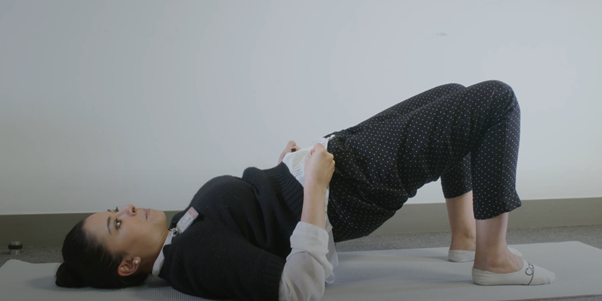
2. Bridge Pose
Why It Helps This exercise activates glutes and pelvic floor muscles at the same time. It also strengthens your core and lower back. How to Do It
- Lie on your back with bent knees and feet flat on the floor.
- Lift your hips slowly toward the ceiling.
- Tighten your pelvic floor at the top of the movement.
- Lower your hips with control.
- Repeat ten to fifteen times.
What to Focus On
- Keep your rib cage relaxed.
- Press evenly through your feet.
- Breathe steadily through each rep.
A physiotherapist pelvic floor specialist often recommends this move to improve functional strength.
3. Deep Core Breathing (Diaphragmatic Breathing)
Why This Matters Your diaphragm and pelvic floor work together. When you breathe properly, you naturally activate and relax the pelvic floor. This improves coordination. How to Do It
- Sit or lie on your back with one hand on your belly.
- Inhale deeply through your nose. Let your belly expand.
- Exhale slowly and gently lift your pelvic floor.
- Continue for ten slow breaths.
Best Practices
- Keep shoulders relaxed.
- Avoid chest-only breathing.
- Feel the pelvic floor respond naturally with each breath.
Clients often learn this technique during Pelvic Floor Physiotherapy in Abbotsford to reduce tension and support core performance.
4. Wall Squats
Benefits Squats activate major muscle groups that connect with your pelvic floor. They help improve stability and lower body strength. How to Do It
- Stand with your back against a wall.
- Step your feet slightly forward.
- Slide down into a squat while keeping your back supported.
- At the bottom, gently engage your pelvic floor.
- Push back up to standing.
- Repeat ten to twelve times.
Helpful Tips
- Keep knees aligned with toes.
- Avoid sinking too deep at first.
- Move slowly to maintain control.
A physiotherapist pelvic floor expert may modify this exercise for beginners or those with knee pain.
5. Happy Baby Pose
Why It Works This gentle stretch helps release tension in the pelvis and lower back. A relaxed pelvic floor is just as important as a strong one. How to Do It
- Lie on your back and bring your knees to your chest.
- Hold the outsides of your feet or the back of your thighs.
- Gently open your knees toward your armpits.
- Hold the stretch while breathing deeply.
- Stay in the pose for twenty to thirty seconds.
Relaxation Tips
- Keep your spine comfortably grounded.
- Allow your pelvic floor to release tension.
- Avoid bouncing or forcing the stretch.
Many people who consult a physiotherapist pelvic floor specialist find this stretch helps reduce tightness.
Signs You May Need Additional Support
While pelvic floor exercises help many people, some require personalized care. If you notice ongoing symptoms, a professional assessment can make a big difference. Common Signs
- Frequent bladder leaks
- Pelvic pain
- Urinary urgency
- Pain during movement
- Lower back discomfort
- A feeling of heaviness in the pelvis
If these symptoms appear, visiting a clinic that offers Pelvic Floor Physiotherapy in Abbotsford can help you get tailored treatment.
How Pelvic Floor Physiotherapy in Abbotsford Can Help
A pelvic floor specialist uses detailed assessments, hands-on care, and personalized exercise plans. They guide you so you know exactly which muscles to activate and how to prevent strain.
What to Expect During a Session
- One-on-one evaluation
- Education on muscle function
- Guided exercises
- Biofeedback or manual therapy
- A clear home program
- Progress tracking
Working with a experienced physiotherapist pelvic floor professional ensures your routine is safe, effective, and specific to your needs.
Lifestyle Tips to Support Pelvic Floor Strength
Strengthening your pelvic floor is not limited to exercise sessions. You can support your progress with simple lifestyle changes. Helpful Habits
- Maintain good posture
- Avoid holding your breath when lifting
- Stay hydrated
- Practice mindful breathing
- Move regularly throughout the day
When these habits pair with home exercises and professional care, you build long-term pelvic health.
Final Thoughts
Pelvic floor exercises are valuable for people of all ages and fitness levels. These simple movements can improve strength, balance, comfort, and overall confidence. Whether you want to prevent issues or recover from existing ones, starting with these five exercises is a great step. However, if you want expert guidance or need help addressing symptoms, seeking Pelvic Floor Physiotherapy in Abbotsford can ensure you get the care your body needs.

